What Does “Comfort Food” Mean in Korea?
Korean comfort food refers to simple, familiar meals that make people feel relaxed and at ease.
Rather than being fancy or complicated, these dishes are often the kind of food Koreans grow up eating at home.
For many people, Korean comfort food feels warm and familiar because it is closely connected to everyday life. It is the type of food you eat after a long day, during cold weather, or when you simply want something comforting and satisfying.
As a result, Korean comfort food is an important part of everyday Korean food culture.
What Makes These Meals Feel Special?
One of the most important characteristics of Korean comfort food is its simplicity.
The ingredients are easy to find, and the flavors are balanced rather than overwhelming.
Many comfort foods in Korea are served warm and enjoyed with rice. Soups, stews, and shared side dishes create a complete and filling meal without being complicated. This balance is what makes Korean home-style meals easy to enjoy on a regular basis.
Popular Korean Comfort Foods You Should Know
There are many dishes that Koreans consider comfort food. Below are some of the most common examples.
- Kimchi Jjigae
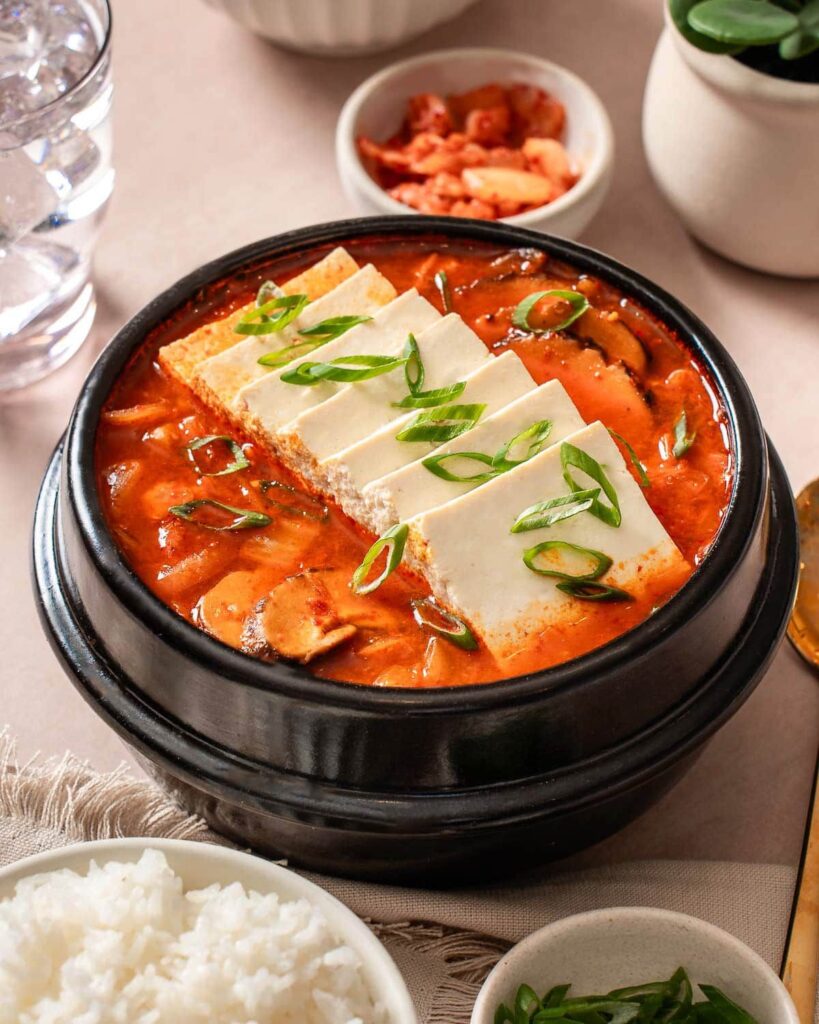
Kimchi jjigae is one of the most well-known Korean comfort foods.
Made with fermented kimchi and a rich, spicy broth, Many people commonly eat this dish at home and enjoy year-round.
👉(You can also read our easy kimchi jjigae recipe to learn more.)
- Doenjang Jjigae
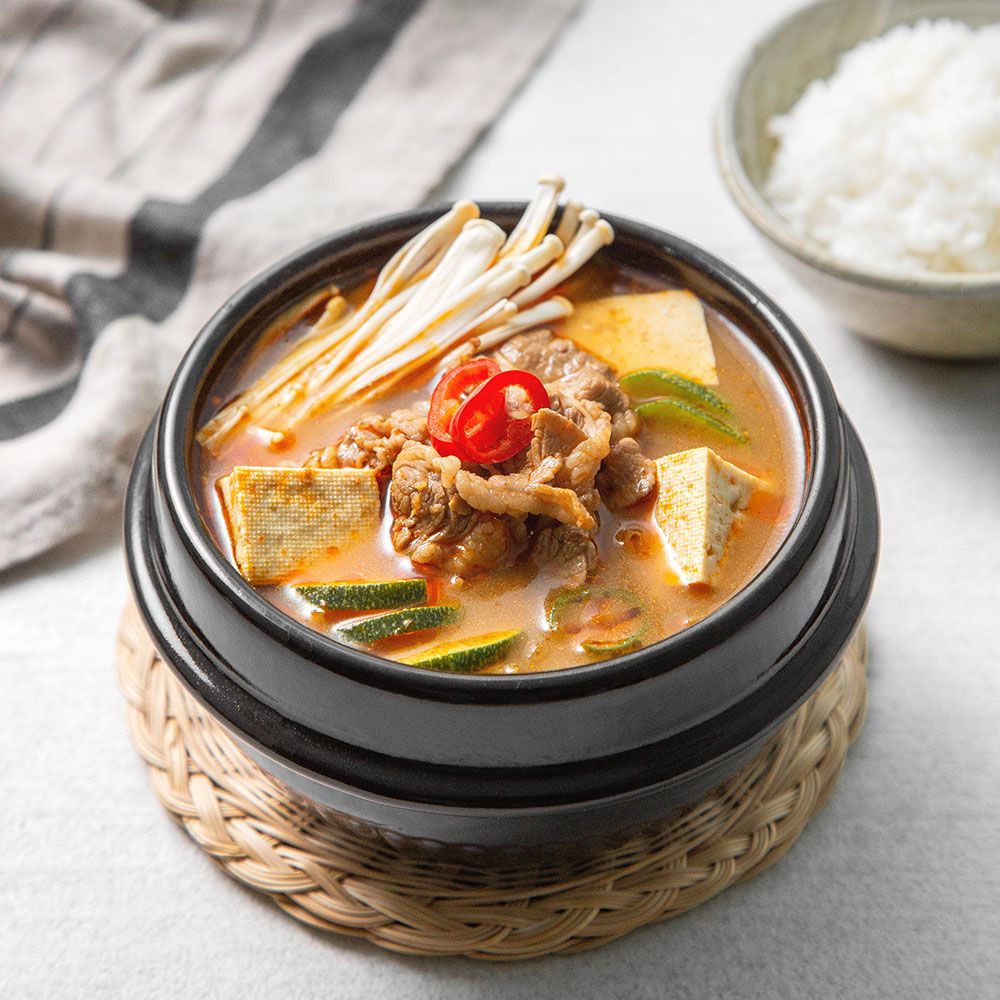
Doenjang jjigae is a soybean paste stew with a milder and more savory flavor.
Compared to kimchi jjigae, it is less spicy and often feels lighter.
People often enjoy this stew as a daily home meal, appreciating its simple ingredients and deep flavor.
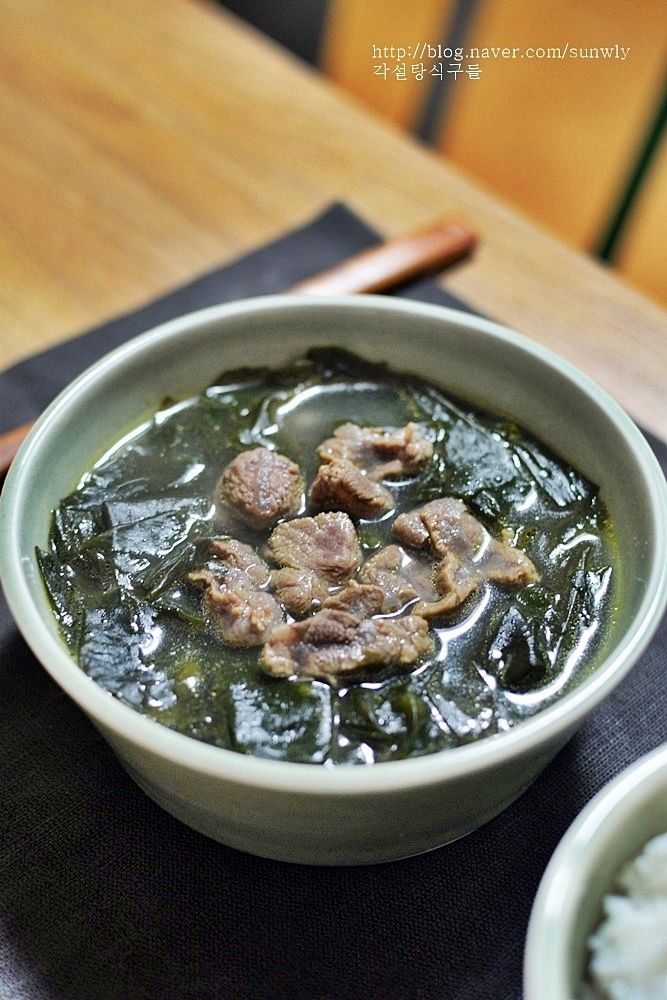
- Miyeok-guk (Seaweed Soup)
Miyeok-guk is another well-known Korean comfort food that is closely connected to Korean culture.
This seaweed soup is traditionally eaten on birthdays in Korea, as it represents care, gratitude, and health.
Because of its light and nourishing broth, Miyeok-guk makes a comforting meal that people often enjoy at home.
For many Koreans, this soup is more than just food. it carries cultural meaning and reminds people of family traditions and special moments.
- Rice and Side Dishes
A typical Korean comfort meal often includes rice and several side dishes.
These side dishes do not need to be elaborate. Even simple vegetables or lightly seasoned dishes can create a satisfying and comforting meal when enjoyed together.
Why Korean Food Feels Like Home
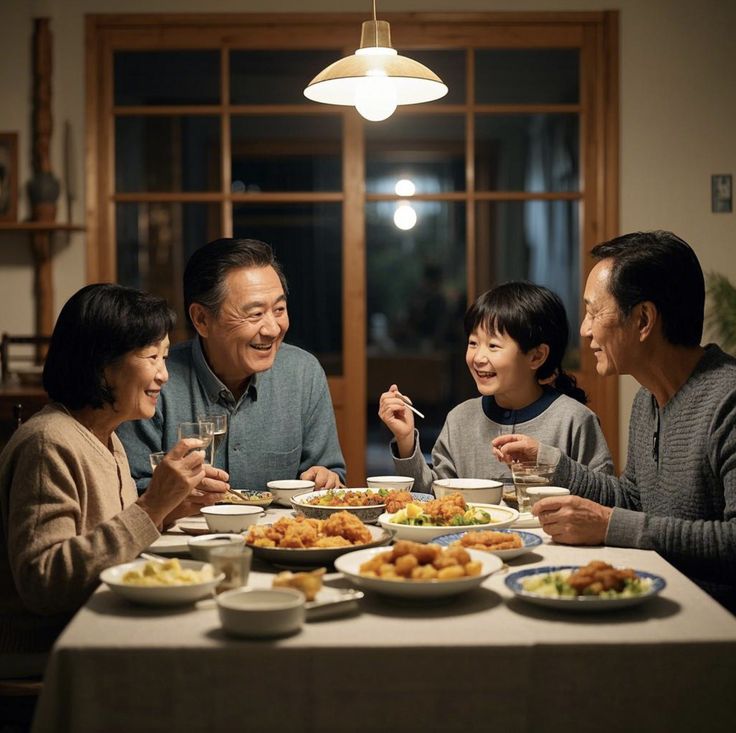
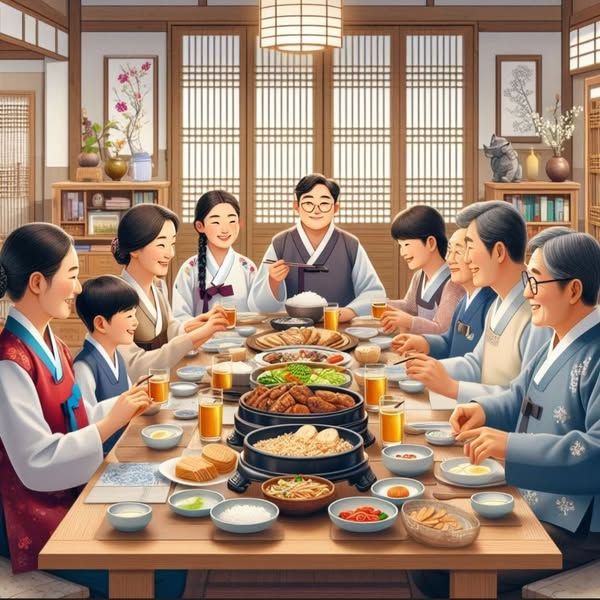
For many Koreans, Families closely connect Korean comfort food to shared meals.
During holidays or special occasions, families often gather around the table to share warm home-cooked dishes together.
These meals are not about presentation or luxury. They are about sitting together, sharing food, and spending time with loved ones. This is why Korean comfort food often feels emotional. it reminds people of home, family, and shared moments.
Finding Comfort at ONGI
ONGI focuses on comforting, home-style Korean dishes that feel familiar and easy to enjoy.
The menu is inspired by the idea of warmth and everyday meals rather than special occasions.
Whether you are looking for a warm stew, a simple rice-based meal, or familiar Korean flavors, ONGI aims to offer food that feels like home and fits naturally into everyday life.
Simple Food, Real Comfort
Korean comfort food is not about complexity or trend-driven dishes.
It is about simple meals that bring warmth, familiarity, and balance to the table.
With its focus on home-style cooking and shared meals, Korean comfort food continues to feel comforting across generations.
Whether enjoyed at home or at a restaurant, these dishes offer a sense of ease that goes beyond taste.
🎄 Christmas Special at ONGI
To celebrate the holiday season, ONGI is offering a limited-time 10% discount from December 24 to 25.
This Christmas, enjoy warm Korean comfort food at ONGI and share a moment of warmth with the people you love.

Explore ONGI’s menu and discover Korean comfort food that feels warm, simple, and familiar.