What Is Korean Comfort Food? Why It Feels Like Home
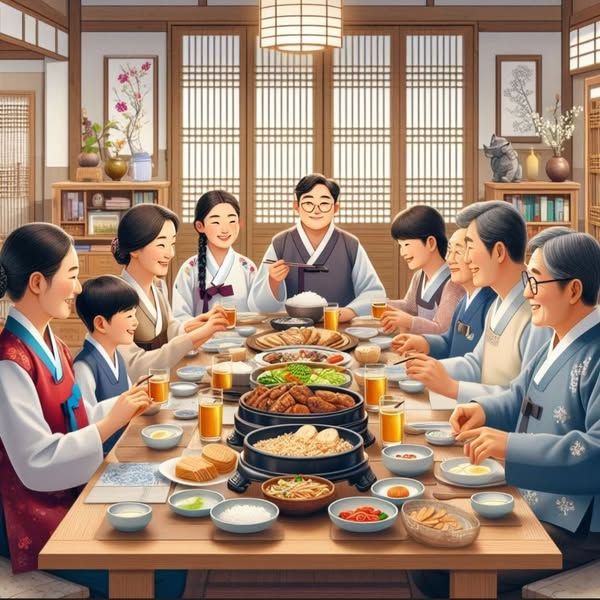
What Does “Comfort Food” Mean in Korea? Korean comfort food refers to simple, familiar meals that make people feel relaxed and at ease.Rather than being fancy or complicated, these dishes are often the kind of food Koreans grow up eating at home. For many people, Korean comfort food feels warm and familiar because it is closely connected to everyday life. It is the type of food you eat after a long day, during cold weather, or when you simply want something comforting and satisfying. As a result, Korean comfort food is an important part of everyday Korean food culture. What Makes These Meals Feel Special? One of the most important characteristics of Korean comfort food is its simplicity.The ingredients are easy to find, and the flavors are balanced rather than overwhelming. Many comfort foods in Korea are served warm and enjoyed with rice. Soups, stews, and shared side dishes create a complete and filling meal without being complicated. This balance is what makes Korean home-style meals easy to enjoy on a regular basis. Popular Korean Comfort Foods You Should Know There are many dishes that Koreans consider comfort food. Below are some of the most common examples. Kimchi jjigae is one of the most well-known Korean comfort foods.Made with fermented kimchi and a rich, spicy broth, Many people commonly eat this dish at home and enjoy year-round. 👉(You can also read our easy kimchi jjigae recipe to learn more.) Doenjang jjigae is a soybean paste stew with a milder and more savory flavor.Compared to kimchi jjigae, it is less spicy and often feels lighter. People often enjoy this stew as a daily home meal, appreciating its simple ingredients and deep flavor. Miyeok-guk is another well-known Korean comfort food that is closely connected to Korean culture.This seaweed soup is traditionally eaten on birthdays in Korea, as it represents care, gratitude, and health. Because of its light and nourishing broth, Miyeok-guk makes a comforting meal that people often enjoy at home.For many Koreans, this soup is more than just food. it carries cultural meaning and reminds people of family traditions and special moments. A typical Korean comfort meal often includes rice and several side dishes.These side dishes do not need to be elaborate. Even simple vegetables or lightly seasoned dishes can create a satisfying and comforting meal when enjoyed together. Why Korean Food Feels Like Home For many Koreans, Families closely connect Korean comfort food to shared meals.During holidays or special occasions, families often gather around the table to share warm home-cooked dishes together. These meals are not about presentation or luxury. They are about sitting together, sharing food, and spending time with loved ones. This is why Korean comfort food often feels emotional. it reminds people of home, family, and shared moments. Finding Comfort at ONGI ONGI focuses on comforting, home-style Korean dishes that feel familiar and easy to enjoy.The menu is inspired by the idea of warmth and everyday meals rather than special occasions. Whether you are looking for a warm stew, a simple rice-based meal, or familiar Korean flavors, ONGI aims to offer food that feels like home and fits naturally into everyday life. 👉 More Detail Simple Food, Real Comfort Korean comfort food is not about complexity or trend-driven dishes.It is about simple meals that bring warmth, familiarity, and balance to the table. With its focus on home-style cooking and shared meals, Korean comfort food continues to feel comforting across generations.Whether enjoyed at home or at a restaurant, these dishes offer a sense of ease that goes beyond taste. 🎄 Christmas Special at ONGITo celebrate the holiday season, ONGI is offering a limited-time 10% discount from December 24 to 25.This Christmas, enjoy warm Korean comfort food at ONGI and share a moment of warmth with the people you love. Explore ONGI’s menu and discover Korean comfort food that feels warm, simple, and familiar.
What to Eat with Soju, Makgeolli, and Beer: Korean Food Pairings
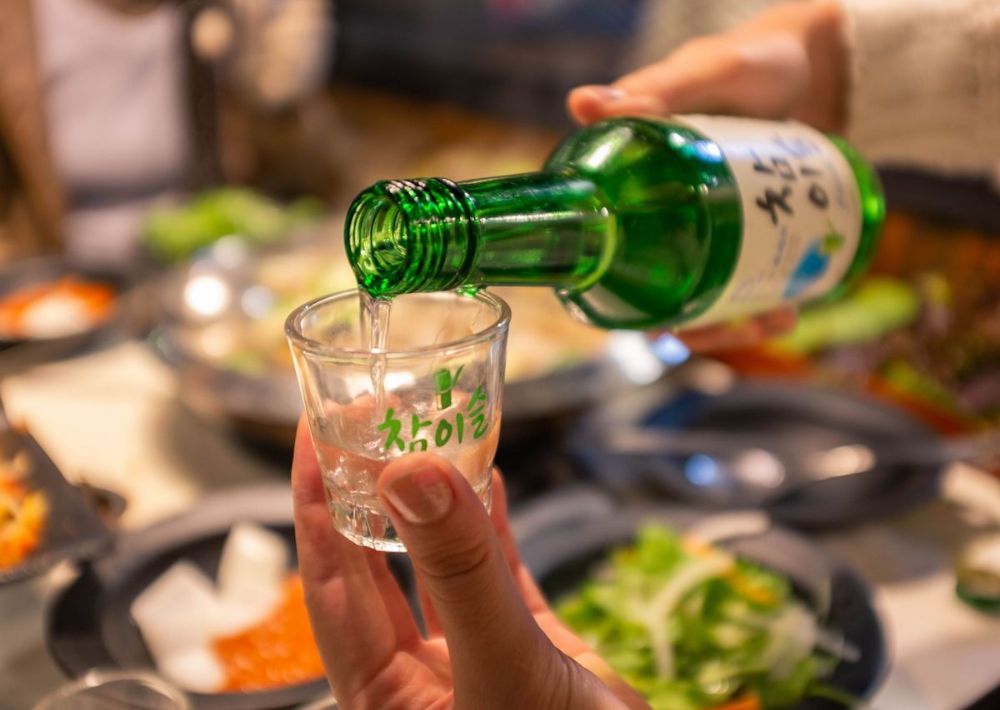
Korean Food and Drinking Culture In Korea, drinking alcohol is rarely done without food.Meals and drinks are meant to be enjoyed together, creating balance and comfort rather than focusing on alcohol alone. Korean food pairings play an important role in Korean dining culture, especially within Korean drinking culture, where food and drinks are enjoyed together. it helps enhance flavors, slow down drinking, and bring people together at the table. From spicy stews to hearty meat dishes, Korean food is designed to pair naturally with alcohol and turn drinking into a shared dining experience. Why Korean Food Pairings Matter with Soju Soju has a clean and neutral taste, which makes it easy to pair with a wide range of Korean dishes.However, the right food pairing can make a big difference in how enjoyable the overall experience feels. Rich, savory, or spicy foods help balance the sharpness of soju, while warm dishes add comfort and depth to the meal.This is why many Koreans prefer hearty dishes when drinking rather than light snacks. These Korean food pairings are especially popular when people enjoy soju in a relaxed dining setting. So what are the best Korean dishes to pair with soju? Soju Pairings Kimchi jjigae is one of the most classic Korean dishes to enjoy with soju.The deep and spicy flavor of fermented kimchi pairs well with the clean taste of soju, creating a satisfying balance. The warm broth and bold seasoning make kimchi jjigae especially comforting while drinking. It is often enjoyed slowly with rice, allowing people to relax and enjoy both the food and the conversation. Samgyeopsal is one of the most popular Korean dishes to enjoy with soju.The rich, fatty texture of grilled pork belly pairs perfectly with soju’s clean and neutral taste, creating a well-balanced combination. Because samgyeopsal is typically grilled and eaten hot, it adds a satisfying depth to the drinking experience. The combination of savory meat, fresh vegetables, and dipping sauces makes each bite feel hearty, which is why many people choose samgyeopsal when enjoying soju with friends. These Korean food pairings are especially popular when people enjoy soju with hearty dishes. Makgeolli Pairings Makgeolli has a soft, slightly sweet, and creamy texture that pairs best with savory and lightly seasoned foods.Unlike soju, makgeolli is less sharp, which makes it a great match for dishes that are comforting and not overly spicy. Because of its mild flavor, makgeolli is often enjoyed with simple, home-style foods that allow both the drink and the dish to complement each other naturally. Jeon is one of the most classic foods to pair with makgeolli.The crispy outside and soft inside of savory pancakes, such as pajeon or kimchi jeon, balance well with makgeolli’s smooth and slightly tangy taste. This pairing is especially popular on rainy days, when warm pancakes and a chilled bowl of makgeolli create a relaxed and comforting atmosphere. Makgeolli also pairs well with light and simple Korean dishes.Tofu-based meals, mild soups, and lightly seasoned side dishes allow the subtle flavors of makgeolli to stand out without overpowering the meal. Beer Pairings Beer is commonly enjoyed with Korean food that is bold, crispy, or slightly spicy.The carbonation and refreshing taste of beer help cleanse the palate, making it a great match for fried or heavily seasoned dishes. Because beer is easy to drink and widely enjoyed, it is often paired with casual foods that are meant to be shared. Korean fried chicken is one of the most popular foods to pair with beer.The crispy coating and savory seasoning contrast perfectly with beer’s cold and refreshing finish. This pairing, often called chimaek (chicken and beer), is enjoyed in relaxed settings where food is shared casually among friends. Spicy street foods such as tteokbokki also pair well with beer.The heat from the sauce is balanced by beer’s carbonation, creating a refreshing contrast with every sip. This combination is popular for casual nights out, where bold flavors and simple comfort foods take center stage. What to try at ONGI ONGI focuses on comforting, home-style Korean dishes that pair naturally with soju, makgeolli, and beer. The foods introduced above can all be found at ONGI, offering a range of options from warm stews to hearty meat dishes. Our menu is designed to let guests enjoy Korean food in a way that suits their own pace and preference. Whether you choose to enjoy a drink or simply focus on the meal, ONGI’s dishes are meant to feel familiar, satisfying, and easy to enjoy. Finding the Right Pairing for Every Moment Korean food and drinks are often enjoyed together, but there is no single “right” pairing.The best combination depends on the moment, the atmosphere, and personal preference. From soju with comforting stews to makgeolli with savory dishes and beer with crispy favorites, Korean cuisine offers endless pairing possibilities that bring warmth to the table. Explore ONGI’s menu and discover Korean food pairings that fit every mood and moment.
Easy Kimchi Jjigae Recipe for Beginners
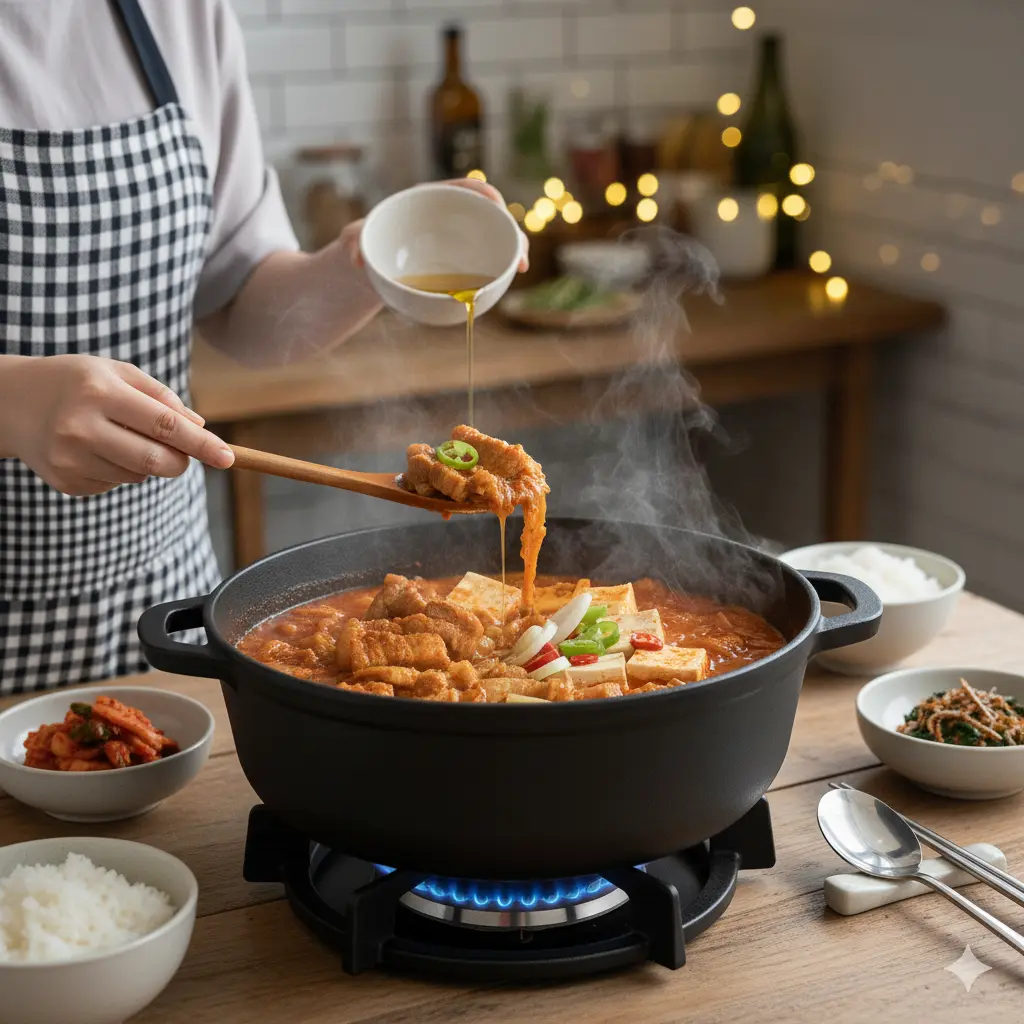
Kimchi jjigae is one of the most popular Korean comfort foods and a staple in many Korean households.This easy kimchi jjigae recipe is perfect for beginners who want to try making a warm and flavorful Korean stew at home ! With simple ingredients and clear steps, you can enjoy an authentic taste of Korean home-style cooking. Ingredients You’ll Need Step-by-Step Kimchi Jjigae Recipe Instructions Prepare the ingredients Prepare the ingredients.Squeeze out the excess liquid from the kimchi and cut it into bite-sized pieces.Do not throw away the kimchi juice set it aside, as it is the secret to adding deep flavor later. Cut the pork into bite-sized pieces.Pork shoulder or pork neck works best, but pork belly is also a good option.Make sure the pieces are not too large, as larger pieces take longer to cook. The next steps are… Slice the green onion and onion.Cut the tofu into bite-sized cubes, and finely chop the chili peppers.If you prefer a milder flavor, you can omit the Cheongyang chili peppers. Heat a pot over medium heat and add 1 tablespoon of sesame oil.Add the pork and stir-fry until it is about halfway cooked and lightly browned on the outside.This step helps remove any unpleasant odor from the meat and brings out a rich, savory flavor. Add the sliced kimchi to the cooked pork and stir-fry them together.Cook until the kimchi becomes translucent and lightly sizzles in the oil. Boil and Simmer the Stew Add all the remaining ingredients to the pot.Cover with a lid and bring the stew to a rapid boil over high heat.Once it starts boiling, reduce the heat to medium and simmer for about 5 more minutes, or until the pork is fully cooked. Occasionally scoop up the broth and pour it over the kimchi.This helps the kimchi cook faster and absorb more flavor. Final Steps, It’s time to enjoy ! Let the stew simmer for another 2–3 minutes, then taste and adjust the seasoning. If it tastes bland, add a little soy sauce or salt.If it is too sour, add a small amount of sugar. Your pork kimchi jjigae is now ready to enjoy ! To make the process easier to follow, I’ve added a video below showing how to make kimchi jjigae step by step. Find the perfect kimchi jjigae recipe at ONGI! Kimchi jjigae is more than just a stew: it is a comforting dish that many Koreans grow up with.This kimchi jjigae recipe is simple, comforting, and easy to follow for home cooks. With simple ingredients and easy steps, this recipe allows beginners to enjoy an authentic taste of Korean comfort food at home. At ONGI, we believe that meals like kimchi jjigae are meant to bring warmth and familiarity to everyday life.If you would like to experience Korean comfort food inspired by home-style cooking, explore our menu and discover how ONGI brings comfort to the table.If you are curious to experience kimchi jjigae inspired by home-style flavors, you can explore more dishes on our menu. explore our menu